How to Clean Your Dog’s Teeth Without Brushing: 7 Easy Options

If your dog runs the moment the toothbrush comes out, you’re not alone. Plenty of dogs won’t tolerate brushing, and plenty of busy owners can’t manage it every day. The good news: there are several ways to keep your dog’s mouth cleaner without a nightly wrestling match.
It’s worth the effort. According to the American Veterinary Medical Association (AVMA), periodontal disease is the most common dental condition in dogs and cats. By age 3, most pets already show early signs of it, and it gets worse with age if nothing is done.
One honest note before we start: vets agree that brushing is still the gold standard. The options below work best as part of a routine, and they don’t replace regular checkups. But if brushing just isn’t happening at your house, any of these is far better than doing nothing.
1. Dental sprays
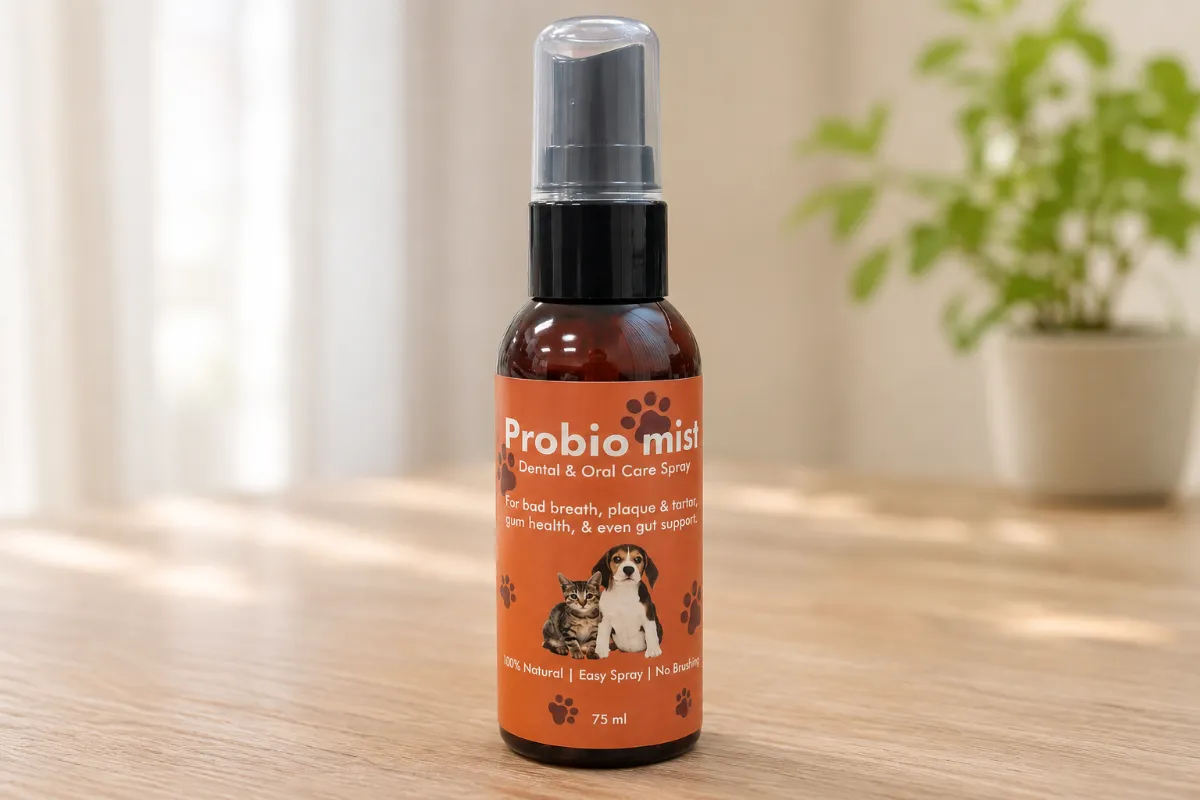
A dental spray is the closest thing to brushing without the brush. You lift your dog’s lip, spray along the teeth and gums, and you’re done in about ten seconds. Look for a formula that’s gentle and free of alcohol, xylitol and strong flavors, since dogs who hate brushing often hate mint too.
2. Water additives
Water additives go straight into the water bowl, so your dog gets dental care every time they drink. They take zero effort from you. The trade-off is that you can’t control how much reaches the teeth, so they work best alongside another method.
3. Dental chews
Chewing scrapes soft plaque off the tooth surface before it hardens. Choose chews sized for your dog, and supervise to prevent choking. Count the calories toward their daily food, especially for small dogs.
4. Chew toys
Rubber or nylon toys with ridges and nubs give teeth a gentle scrub during play. Avoid anything harder than the tooth itself, like antlers, hooves or bones, which can crack teeth.
5. Dental diets
Some dry foods are designed with a kibble texture that wipes the teeth as your dog chews. Ask your vet before switching food, especially if your dog has other health needs.
6. Dental wipes
If your dog tolerates a finger near their mouth but not a brush, a dental wipe wrapped around your finger is a good middle ground. Focus on the outer surfaces of the back teeth, where tartar builds up first.
7. Professional cleanings at the vet
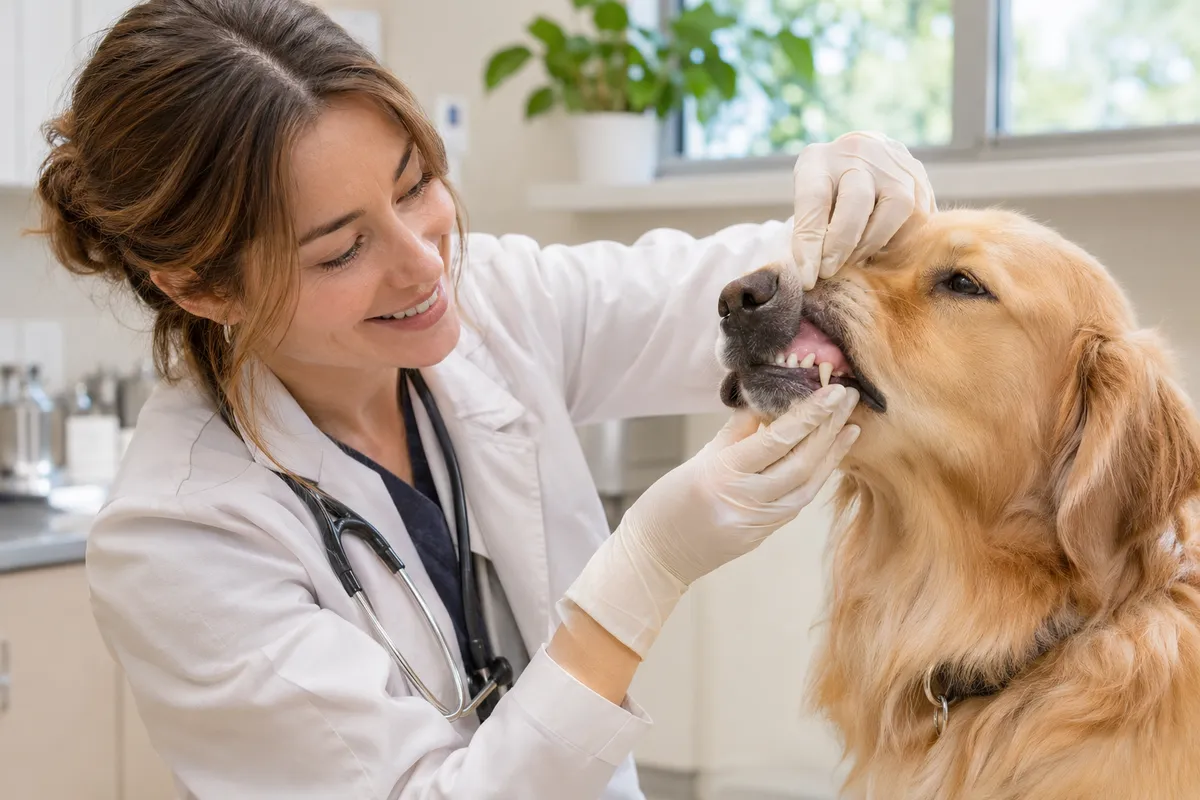
No home method reaches below the gumline, which is where most dental disease happens. The AVMA recommends regular dental exams and, when needed, a cleaning under anesthesia. It also warns that anesthesia-free cleanings can’t clean or check below the gums.
Signs your dog needs a vet visit
Book a dental checkup sooner if you notice any of these:
- Bad breath that doesn’t go away
- Yellow or brown tartar on the teeth
- Red, swollen or bleeding gums
- Broken or loose teeth
- Drooling, dropping food or chewing on one side
- Eating less or pawing at the mouth
A simple daily routine: PROBIO mist
We made PROBIO mist for exactly the dogs (and cats) who won’t sit still for a toothbrush. It’s a no-brush dental spray made in Japan from fermented organic soybean protein and ionized alkaline water, with no preservatives and no added fragrance. It’s unflavored and mint-free, so even picky pets accept it.
How to use it:
- Gently lift your dog’s lip.
- Spray 2–3 times on each side, focusing on the back teeth and gums. Once a day is enough.
- Spray-shy dog? Mist it into the water bowl or over their food instead.
It pairs well with chews or toys, and it fits into the time between vet checkups.
FAQ
Can I clean my dog’s teeth without brushing?
Yes. Dental sprays, water additives, chews, toys and dental diets all help reduce plaque at home. Brushing is still the most effective method, so use these as your daily routine and keep up with vet checkups.
How often should I do dental care for my dog?
Daily is best. Plaque builds up every day, so a quick daily habit beats an occasional deep clean.
Can no-brush methods remove tartar that’s already there?
Hardened tartar usually needs a professional cleaning at the vet. Home care helps keep new plaque from building up afterward.
Are these methods safe for cats too?
Many are, but always check the label. PROBIO mist is made for both dogs and cats.
The bottom line
You don’t need a perfect brushing routine to take care of your dog’s teeth. Pick one or two no-brush methods you can actually stick with, watch for warning signs, and see your vet for regular checkups. Your dog’s breath, and their long-term health, will thank you.
Source: Pet dental care — American Veterinary Medical Association